
Body Contouring After Ozempic/Wegovy: Tightening Loose Skin in New Jersey
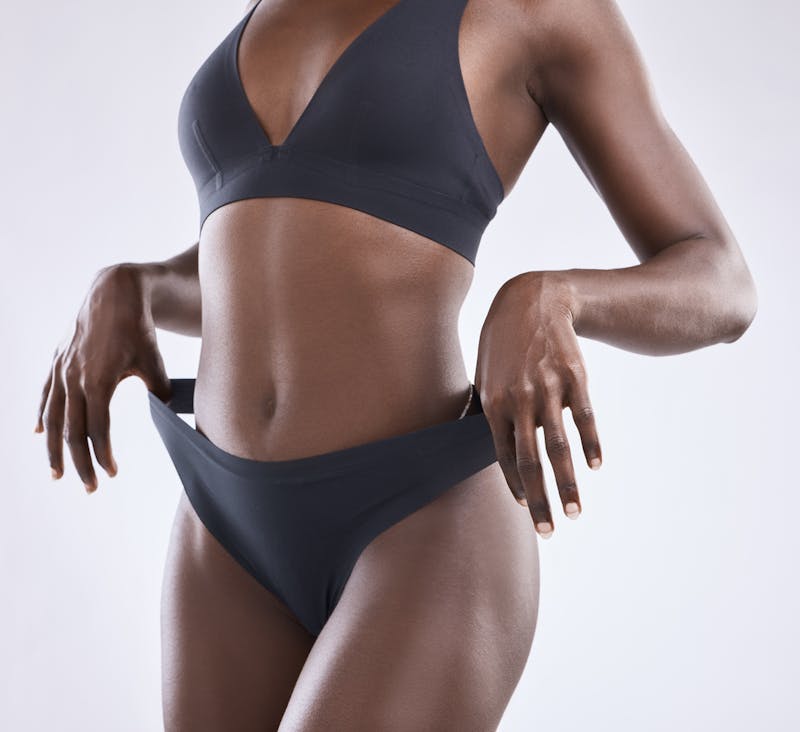
Rapid weight loss from Ozempic or Wegovy often leaves loose, hanging skin that diet and exercise cannot fix. In New Jersey, body contouring with Dr. Parakh removes that excess and firms the frame. Here is how it works.
Why GLP-1 Weight Loss Leaves Loose Skin
Medications like Ozempic and Wegovy have helped millions reach their goal weight, and many are surprised by what remains. Loose skin is a physical reality after major weight loss, not a sign of anything you did wrong.
Semaglutide, the active ingredient in both drugs, produces an average body weight reduction of nearly 15 percent over about 68 weeks. That kind of change often outpaces the skin's ability to shrink with it.
Why Can't Loose Skin Bounce Back After Ozempic or Wegovy?
Skin retracts slowly, and fast weight loss removes the volume beneath it faster than it can adapt. When the fat that once filled the skin disappears quickly, the envelope is left draping.
Research also links GLP-1 medications to changes in the skin itself, including thinning collagen fibers and breakdown of elastin. These shifts reduce the skin's natural ability to snap back, which is why surgery is often the only lasting fix.
How Much Weight Loss Causes Loose Skin?
Patients who lose roughly 30 pounds or more often begin to notice skin that does not tighten on its own. The exact threshold varies from person to person.
Several factors influence how much loose skin you develop:
- Your age and baseline skin elasticity
- Genetics and sun damage history
- Whether you have smoked
- How quickly you lost the weight
Where Loose Skin Shows Up After GLP-1 Weight Loss
Excess skin tends to collect in predictable areas after significant weight loss. Dr. Parakh evaluates each region to build a plan that fits your body.
The most common areas patients want addressed include:
- The abdomen and midsection, often with hanging skin and weakened muscles
- The upper arms, where skin sags despite toning
- The inner thighs, where loose skin causes chafing and irritation
- The breasts, which lose volume and drape lower
- The buttocks, which can flatten and sag
- The face and neck, with jowling and hollow cheeks
Body Contouring Procedures for Post-Ozempic Patients in NJ
Post-weight-loss body contouring removes excess skin and tightens the tissue underneath. Dr. Parakh tailors the combination to the areas that concern you most.
Tummy Tuck
A tummy tuck is the most requested procedure for post-Ozempic patients. It excises loose abdominal skin, tightens the muscle wall, and flattens the midsection.
Arm Lift
An arm lift removes the sagging skin along the upper arms that lingers after weight loss, restoring a firmer, more toned line.
Thigh Lift
A thigh lift tightens loose skin on the inner or outer thighs, easing the friction and irritation that excess skin can cause.
Breast Lift After Weight Loss
A breast lift restores position to breasts that have deflated and dropped, and it pairs well with added volume for a fuller upper chest.
Lower Body Lift
For skin laxity that wraps around the torso, a lower body lift addresses the abdomen, hips, back, and buttocks in one comprehensive surgery.
Non-Surgical Skin Tightening Options
BodyTite uses radiofrequency energy to melt fat and contract skin through tiny incisions. For surface tightening, Morpheus8 stimulates collagen to improve skin quality over several months. Dr. Parakh is candid about when these treatments fit and when excision is the better route.
What About Ozempic Face?
Rapid weight loss can hollow the cheeks and deepen folds, an effect widely called Ozempic face. It comes from the loss of facial fat pads during quick weight reduction.
Dr. Parakh restores facial volume with injectables or fat transfer for milder cases. For significant sagging, a facelift tightens the deeper tissue and skin.
When Can You Have Body Contouring After GLP-1 Weight Loss?
Wait until your weight has held steady for three to six months after you finish losing. A stable weight gives Dr. Parakh an accurate baseline for how much skin to remove.
Operating while you are still losing can compromise your result and may lead to a revision later. This settling period also lets your skin contract as much as it will on its own.
Is Body Contouring After Weight Loss Safe?
Body contouring is safe for healthy candidates who are chosen carefully and treated by a board-certified plastic surgeon. Dr. Parakh confirms you are ready before scheduling.
A 2026 study in the Aesthetic Surgery Journal reviewed more than a thousand post-weight-loss patients and found no meaningful difference in complication rates whether the weight came off through medication, bariatric surgery, or lifestyle change. Careful patient selection is what keeps these procedures safe.
Should You Pause Your GLP-1 Medication Before Surgery?
If you are still taking Ozempic or Wegovy, tell your surgical team well before your date. These medications slow stomach emptying, which anesthesia providers weigh carefully.
Guidance has shifted as more data has emerged. Most patients can continue their medication, though your team may adjust the timing of a dose or ask you to follow a liquid diet the day before surgery. The safest move is making sure Dr. Parakh and your anesthesia provider know you are on a GLP-1 drug.
Single vs. Staged Procedures
Some patients address everything in one surgery, while others do better splitting the work into stages. The right approach depends on how many areas you want treated and your health.
Combining procedures means one recovery, but a very long operation carries more risk. Dr. Parakh sets the plan based on your safety, not a wish to do everything at once. If staging is wiser, she will map out a sequence that protects your result.
How to Protect Your Body Contouring Results
Surgery removes excess skin permanently, but a stable weight keeps your new shape looking its best. Large swings after surgery can stretch the skin that remains.
A few habits help your results last:
- Keep your weight steady rather than cycling up and down
- Stay hydrated and eat enough protein to support skin health
- Follow Dr. Parakh's aftercare and wear your compression garments as directed
- Protect your skin from sun damage, which weakens elasticity over time
Why Choose Dr. Parakh for Post-Weight-Loss Body Contouring in NJ?
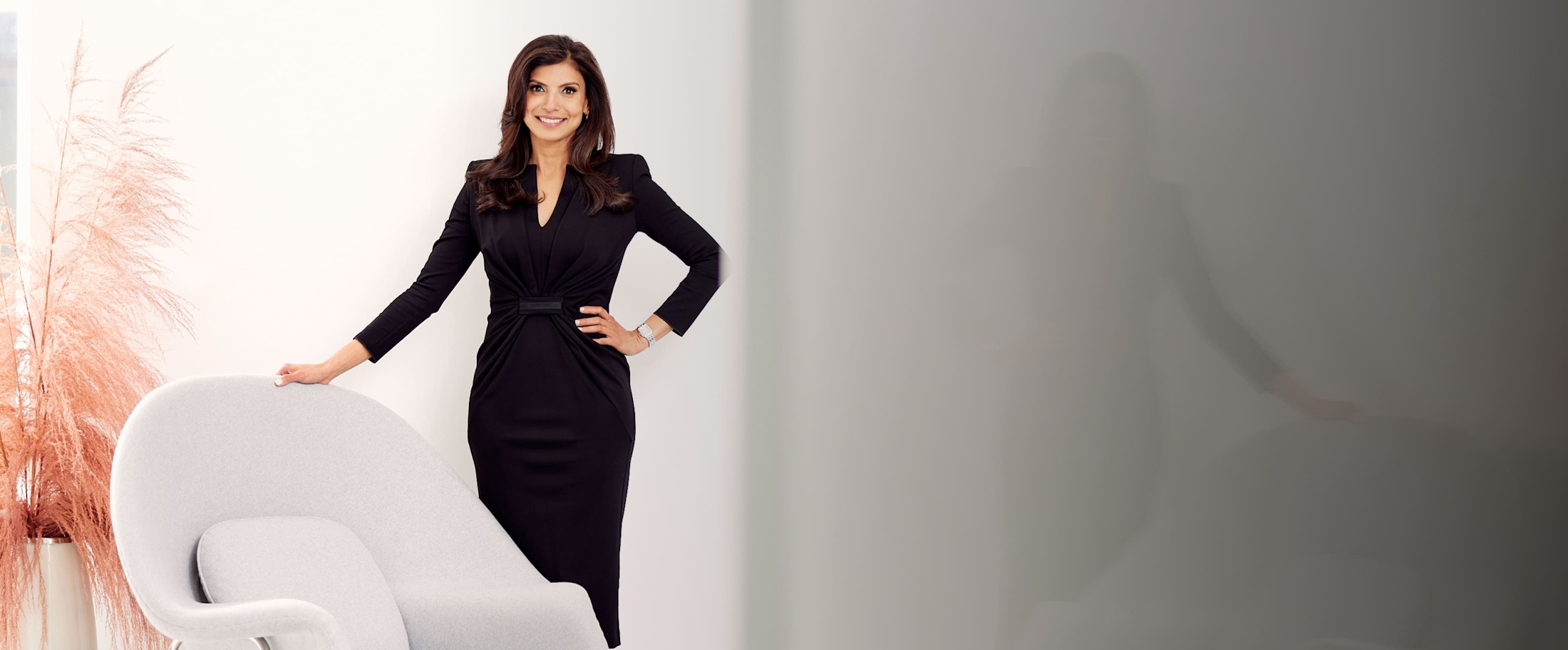
Post-weight-loss surgery calls for a surgeon who understands how skin behaves after major change. Dr. Parakh holds board certification in plastic surgery along with Fellowship in the American College of Surgeons (FACS). Her training included a fellowship at Cornell and Columbia through the New York Presbyterian system, then advanced work at Memorial Sloan Kettering and at the Manhattan Eye, Ear and Throat Hospital.
She appears on the Top Doctor lists published by Castle Connolly and by NewBeauty. From her Englewood office, she designs skin-tightening plans for patients across Northern New Jersey and the wider tri-state region, backed by financing that keeps treatment reachable.
Patients who have worked hard to lose weight deserve a result that matches the effort, and that is the standard she brings to every plan.
Book Your Skin-Tightening Consultation in Englewood, NJ
Your loose-skin plan starts with a personal evaluation. Dr. Parakh will examine each area, discuss your goals, and recommend the surgical or non-surgical path that fits.
Book a consultation at Parakh Plastic Surgery to see how body contouring can complete your weight-loss transformation.