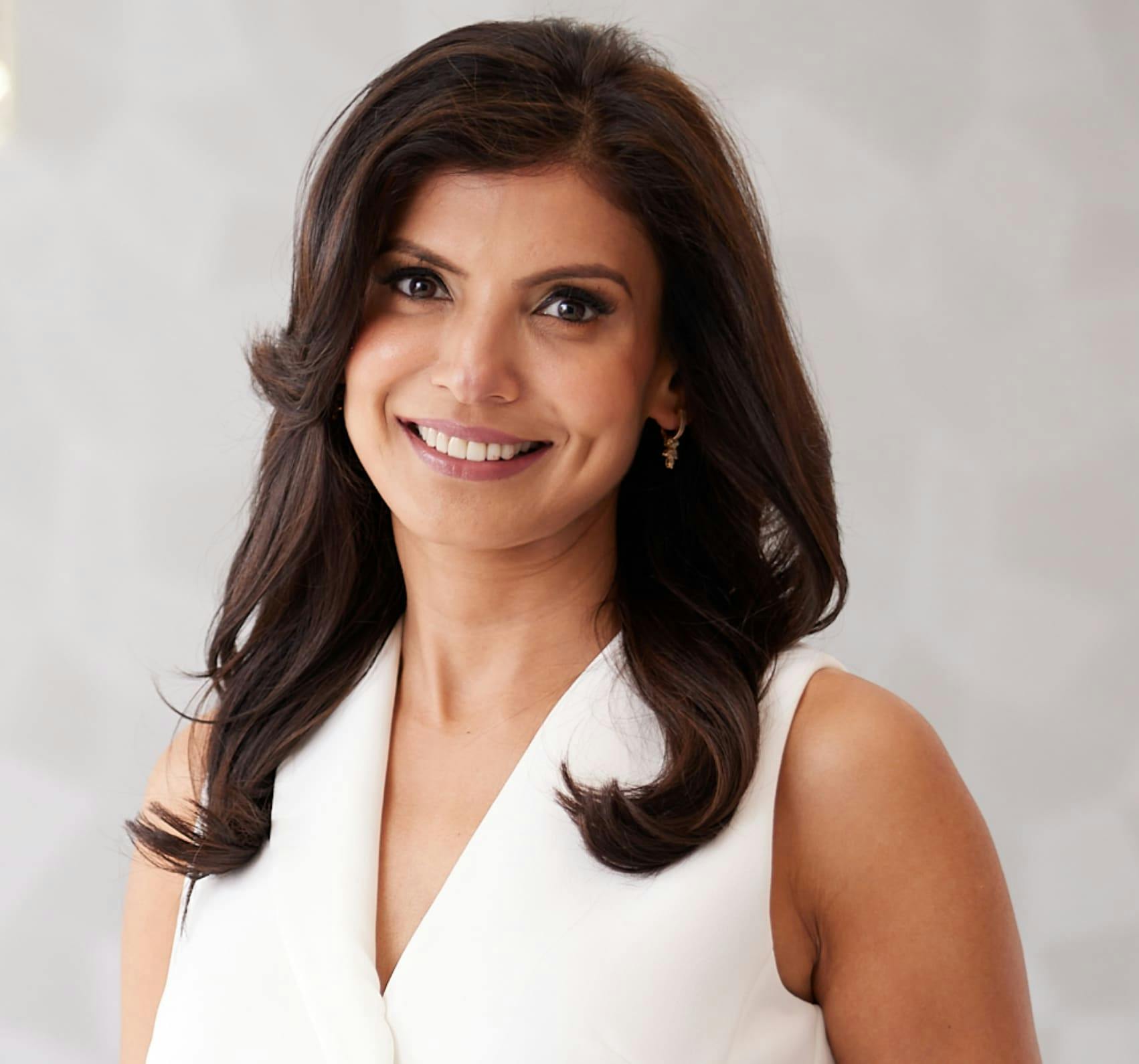
Healing after a custom rhytidectomy is a structured, step-by-step journey. Because Dr. Shwetambara Parakh lifts and anchors the deeper SMAS muscle layer rather than pulling the delicate surface skin, her Englewood patients experience less tension, lighter bruising, and a noticeably more comfortable recovery.
Rather than sharp pain, most individuals describe early post-surgical healing as a mild, manageable tightness around the jawline and neck.
Your Step-by-Step Facelift Recovery Schedule
Stage 1: The First 48 Hours (Comfort & Initial Support)
What to Expect: You will rest comfortably with your head gently elevated. Soft compression wraps support your newly defined contours.
Drain Care & Removal: To prevent fluid buildup and accelerate early healing, thin, temporary drains are utilized. These are comfortably removed by Dr. Parakh during your very first post-op visit at our Englewood practice—usually within 24 to 48 hours.
Stage 2: Days 3 to 7 (Subsiding Swelling)
What to Expect: Peak swelling and discoloration begin to rapidly fade during this period. Light, gentle movement around your home is encouraged to promote blood flow.
Milestone: Precision sutures along your natural ear and hairline creases are evaluated and removed as your incisions begin their quiet, discreet fading process.
Stage 3: Weeks 2 to 3 (Returning to Public Life)
What to Expect: Major swelling is largely resolved, and any minor remaining discoloration can easily be touched up with light concealer.
Milestone: The majority of patients feel confident, refreshed, and completely ready to return to work, social outings, and non-strenuous daily routines between days 10 and 14.
Stage 4: Week 4 & Beyond (The Final Unveiling)
What to Expect: Tissue softens, sensation fully normalizes, and incision lines settle into virtually unnoticeable traces along your natural facial contours.
Milestone: Your crisp jawline, smooth neck profile, and naturally restored lower face fully shine through.
The Parakh Advantage: Precision Over Pulling
"By placing the structural support on the deeper facial tissues where it belongs, we take the stress off your skin. This deep-layer approach not only protects your natural expression, but also leads to cleaner incision healing and a swift, predictable recovery timeline."