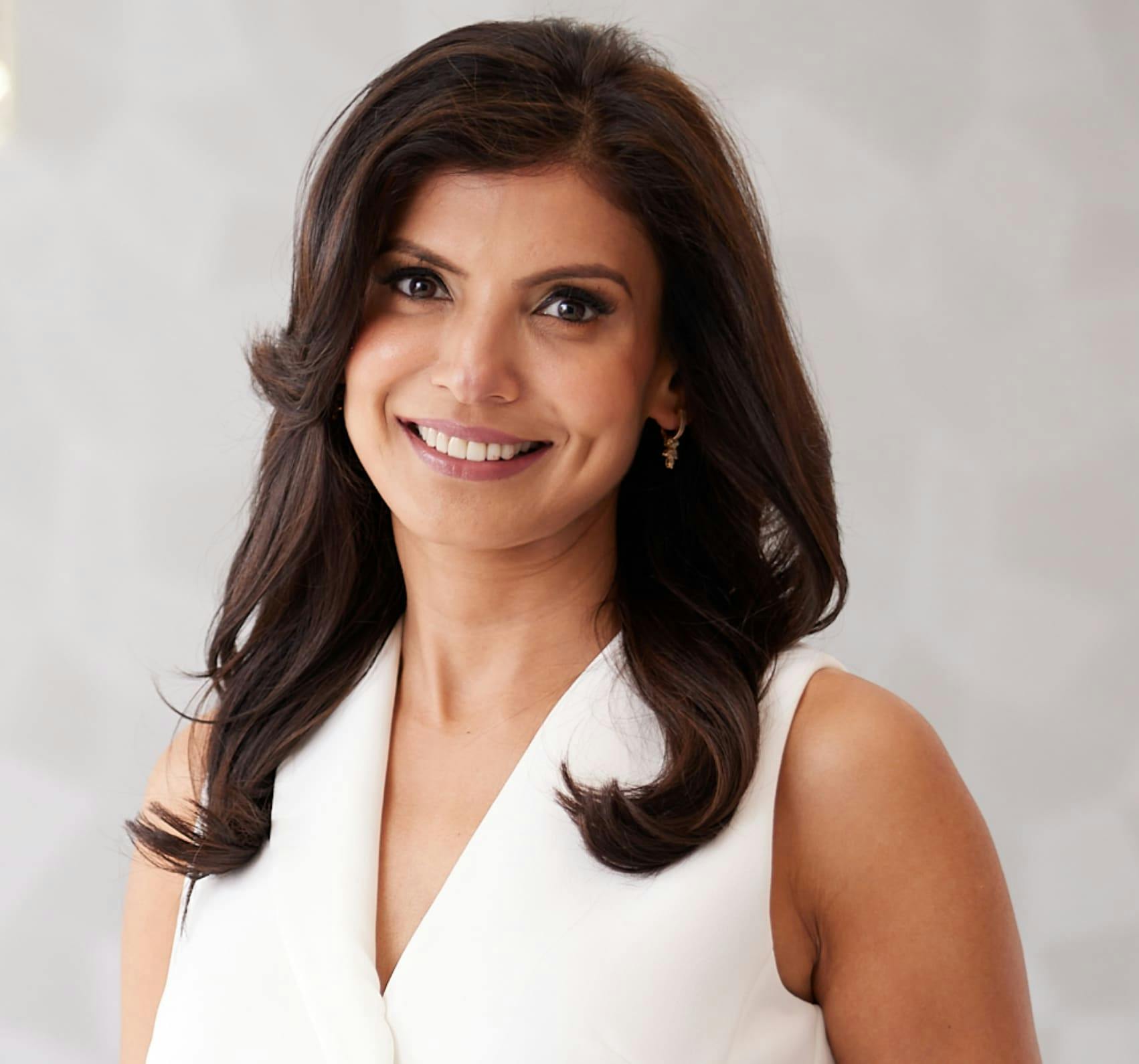
Blonde woman with a white hat & white top looking over her shoulder.

What Is Laser Resurfacing?

Laser skin resurfacing in New Jersey achieves clearer, more youthful-looking skin by removing the outermost layer of damaged cells. The treatment can address a wide range of imperfections, including lines and wrinkles, sun damage, hyperpigmentation, superficial scarring, and poor skin tone and texture. 

In addition to eradicating surface-level damage, laser skin resurfacing helps to replenish collagen reserves, boosting skin suppleness from the inside out. Collagen is a core protein in the skin that provides hydration, firmness, and resilience. As the body ages, its production of collagen slows significantly, resulting in volume loss as well as creases and folds. Laser skin resurfacing can be successfully performed on the face, neck, chest, back, and hands.
Who Is a Candidate for Laser Skin Treatment?

Younger patients may pursue laser skin resurfacing to combat scarring and hyperpigmentation, while older clients love how the treatment reverses signs of aging around the eyes, mouth, and forehead. Clients should be healthy non-smokers with realistic expectations for their results. Patients with darker skin tones or those with active acne may be referred to a different aesthetic solution that still helps them achieve their goals.

Contact Us Today for a Private Consultation

Advanced Laser Treatments Offered

At our New Jersey practice, Dr. Parakh utilizes Sciton’s industry-leading laser technologies to deliver highly customized skin rejuvenation with exceptional precision:

MOXI®:

A non-ablative fractional laser designed for all skin types, ideal for prejuvenation, mild discoloration, and early signs of aging. MOXI delivers gentle micro-pulses of energy with minimal downtime, making it a perfect quick-refresh treatment year-round.

BBL® (Broadband Light):

Using advanced intense pulsed light technology, BBL targets pigment, sun spots, vascular redness, and active acne. It stimulates gene expression associated with younger-looking skin to visibly restore a clearer, more even tone across the face and body.

HALO® Hybrid Fractional Laser:

As the world’s first hybrid fractional laser, HALO simultaneously delivers non-ablative and ablative wavelengths to the same treatment area. It penetrates deep into the dermis to address sun damage, deep textural issues, fine lines, and enlarged pores, delivering dramatic results with significantly less downtime than traditional ablative lasers.

Forever Young BBL™:

A specialized maintenance protocol utilizing BBL technology that goes beyond superficial correction. Clinical studies demonstrate that regular Forever Young BBL treatments alter gene expression to functionally rejuvenate skin cells, delaying the visible signs of aging over time.

Contour TRL™ (Tunable Resurfacing Laser):

A fully ablative Erbium laser that offers micron-precision customization for patients seeking dramatic transformation. By vaporizing damaged outer layers of skin and stimulating deep dermal collagen remodeling, Contour TRL™ effectively erases deep-set wrinkles, stubborn lip lines, severe sun damage, and surgical or acne scars with a single, highly tailored treatment.

Background media

The Laser Resurfacing Procedure

Prior to your treatment, a topical numbing cream is applied to ensure full comfort throughout the session. Treatment times vary depending on your custom plan:

  • Targeted Areas: Spot treatments (such as around the eyes or mouth) take just 15 to 30 minutes.
  • Full Face or Body: Comprehensive resurfacing takes up to 2 hours.

During the procedure, Dr. Parakh carefully guides the handheld laser, pass by pass, over the targeted area. Most patients experience minimal discomfort, describing the feeling as a series of warm, rapid snaps.

Background media

Laser Resurfacing Recovery & Aftercare

Immediately following your session, a medical-grade barrier moisturizer and protective dressing are applied to soothe the treatment area. Dr. Parakh will outline a tailored aftercare plan, including ice packs and mild over-the-counter pain relief, to keep you comfortable as your skin heals. Strict avoidance of direct sunlight and consistent use of broad-spectrum SPF are critical during this initial stage to protect your new, sensitive skin.

  • Days 1–3 (Initial Healing): Skin will look red and feel warm and tight, similar to a deep sunburn. Keep the area hydrated with your prescribed ointment.
  • Days 4–5 (Peeling Phase): Gentle flaking and shedding of damaged cells occur. Light daily activities can usually be resumed once peeling begins.
  • Days 7–10 (Final Reveal): Surface healing completes, revealing a smoother, refreshed, and luminous complexion.
Doctor media

Why Choose Dr. Shwetambara Parakh for Laser Resurfacing?

Laser resurfacing requires precise control of light energy, skin physics, and depth to prevent complications like hyperpigmentation or scarring. At Parakh Plastic Surgery, your treatment is guided by surgical expertise, not a medspa technician.

  • Double Board-Certified Plastic Surgeon: Certified by the American Board of Plastic Surgery (ABPS), Dr. Parakh brings deep anatomical insight and safety protocols to every laser procedure.
  • Ivy League Trained: Completed her residency through the prestigious combined Cornell and Columbia Universities program at New York-Presbyterian Hospital, alongside specialized training at Memorial Sloan Kettering.
  • Top-Rated Care: Recognized as a Castle Connolly Top Doctor (NY Metro Area) and a Bergen County Top Doctor in plastic and reconstructive surgery.
  • Customized Precision: Laser wavelengths and depths are strictly tailored to your specific skin type, concerns, and allowable downtime.

Contact Us Today

Laser Resurfacing FAQ

When is the best time of year to get laser skin resurfacing?

How should I prepare my skin before a laser resurfacing treatment?

Can I combine laser resurfacing with Botox or dermal fillers?

How long do the collagen-building results of laser resurfacing last?

When is the best time of year to get laser skin resurfacing?

Fall and winter are ideal for laser skin resurfacing. Because newly resurfaced skin is exceptionally sensitive to UV radiation and prone to hyperpigmentation during healing, the cooler months with reduced sun exposure make post-treatment recovery significantly safer and easier to manage.

How should I prepare my skin before a laser resurfacing treatment?

To minimize the risk of post-inflammatory hyperpigmentation and ensure optimal healing, patients should apply daily broad-spectrum SPF for at least two to four weeks leading up to treatment. Active skincare ingredients—such as retinoids, glycolic acid, salicylic acid, and vitamin C—should be discontinued three to five days before your appointment.

Can I combine laser resurfacing with Botox or dermal fillers?

Yes, but timing depends on the specific laser used. While injectables and lasers treat different tissue depths, heat from aggressive fractional lasers can affect how fillers settle. Injectables can often be administered on the same day following gentle light lasers, or spaced two weeks apart from deeper ablative resurfacing.

How long do the collagen-building results of laser resurfacing last?

While surface pigment and texture improvements are visible within weeks, deep dermal collagen remodeling continues for three to six months post-procedure. Results from fractional treatments like HALO® typically last one to three years, while routine maintenance sessions like Forever Young BBL™ help sustain long-term skin rejuvenation.

Contact us media
Accessibility: If you are vision-impaired or have some other impairment covered by the Americans with Disabilities Act or a similar law, and you wish to discuss potential accommodations related to using this website, please contact our Accessibility Manager at 201-567-1919.
Contact Us